
12 Questions to Ask Before Hiring a Commercial Roofing Contractor
A commercial roofing contractor is responsible for protecting one of the most important systems on your building.
The lowest bid does not tell you whether the contractor can respond when a leak returns, handle manufacturer warranty requirements, document the work properly, or support multiple facilities.
Before hiring a commercial roofing company, ask questions that show how the contractor actually operates.
1. How long have you been in business?
Experience alone does not guarantee good work, but longevity can tell you a lot about a contractor’s ability to support customers over time.
Ask how long the company has operated, what types of commercial properties it works on, and whether it has experience with facilities similar to yours.
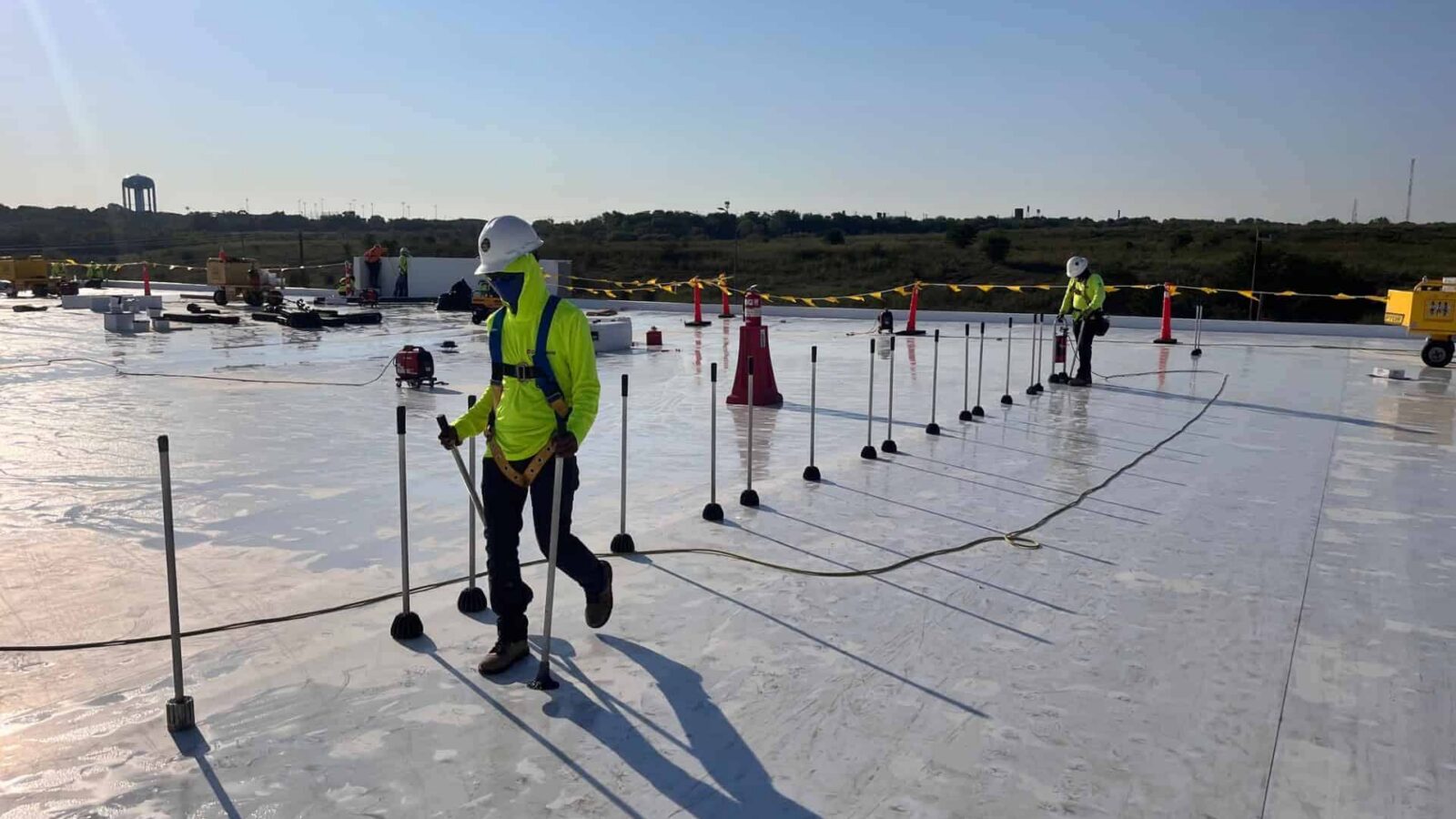
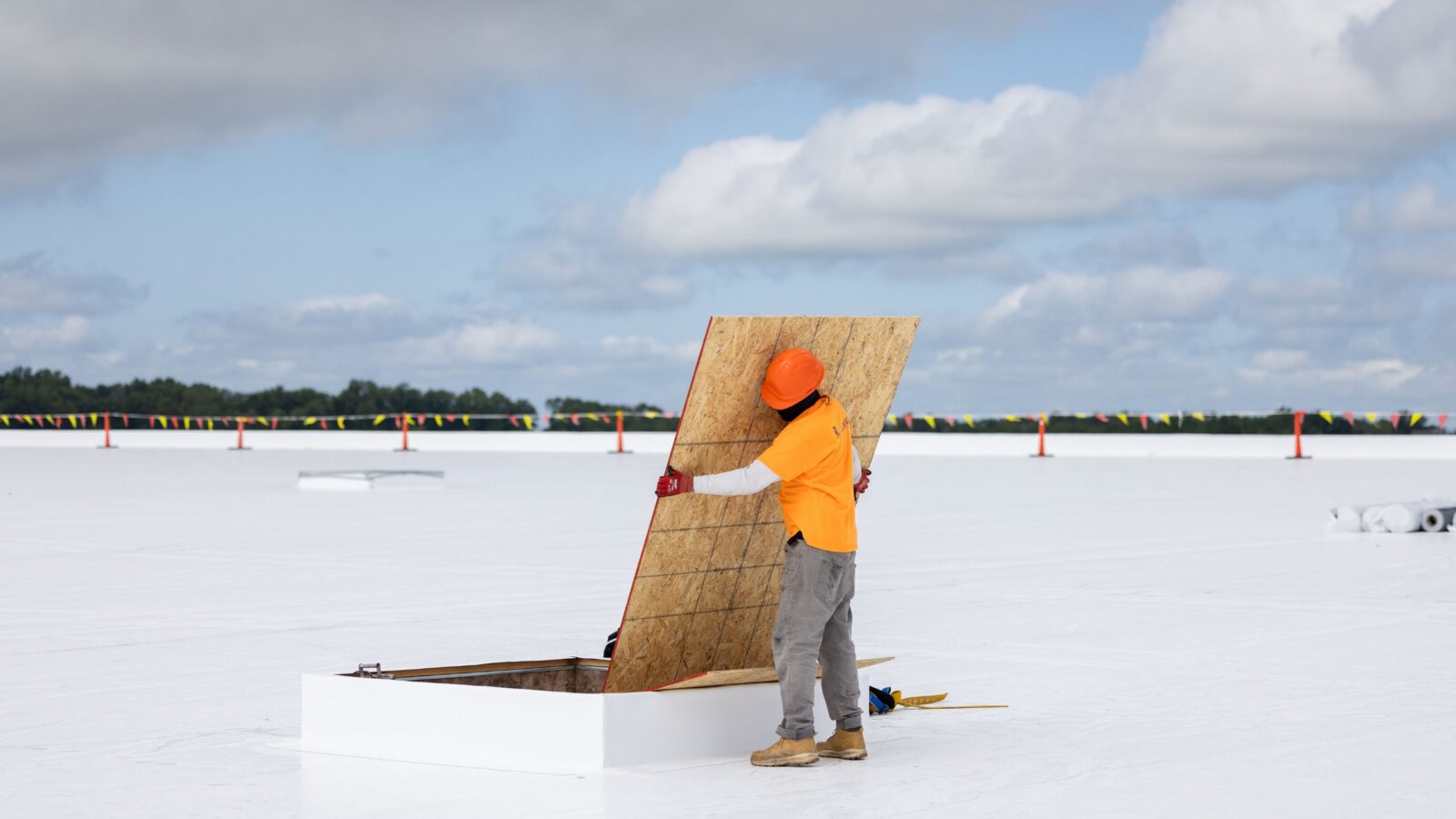
2. Do you self-perform the work?
Find out who will actually be on your roof.
Some roofing contractors rely heavily on subcontractors. Others employ their own roofers, technicians, and laborers.
If a contractor self-performs, ask how crews are trained, managed, and supported.
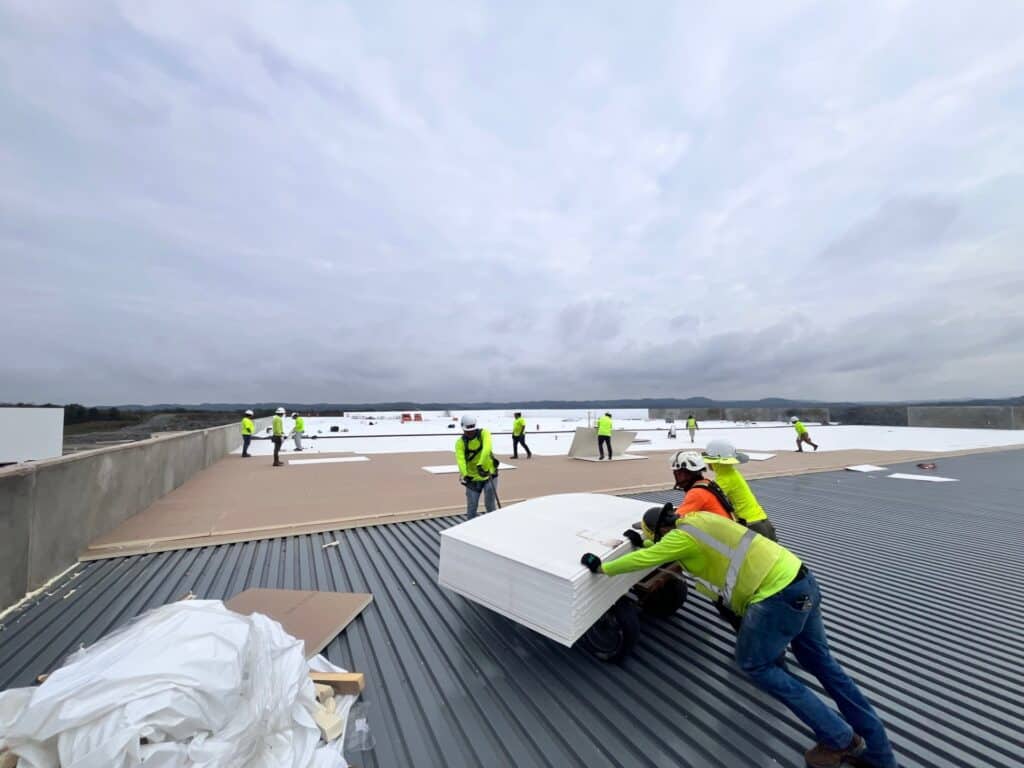
Jolly Roofing is 100 percent self-performing, which means roofing work is handled by Jolly Roofing employees rather than subcontracted crews.
3. Which manufacturers and roofing systems are you certified to work with?
Commercial roofing systems vary widely.
Ask which manufacturers the contractor works with, which roofing systems the company is qualified to install or repair, and whether it can assist with warranty-related work when needed.
The contractor should understand the specific system already installed on your building.
4. What workmanship warranty do you provide?
Manufacturer warranties and contractor workmanship warranties are not necessarily the same thing.
Ask what the contractor guarantees, how long the workmanship coverage lasts, what is included, and what happens if there is a problem after the work is complete.
Get those details in writing.
5. What does your safety program look like?
Safety should be part of the contractor evaluation, especially for work taking place on an active commercial facility.
Ask for a certificate of insurance and information about the company’s safety performance, including its EMR where appropriate.
You should understand how the company manages jobsite safety before crews arrive.
6. How quickly can you respond to a service call?
For facility managers, response time matters.
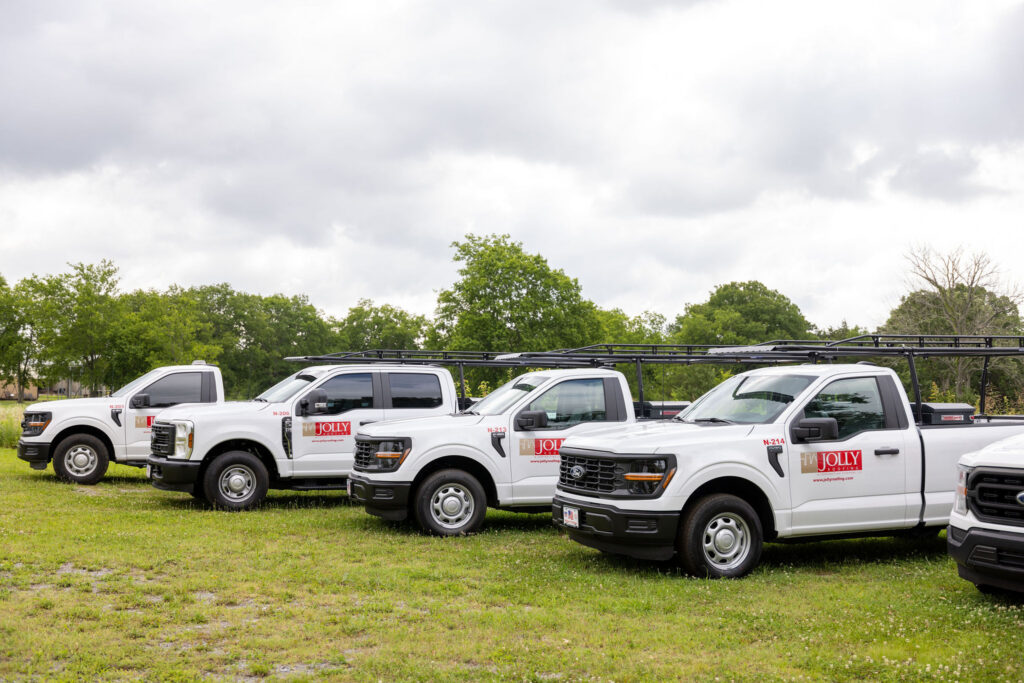
Ask how the contractor handles active leaks and urgent service needs. If your company operates multiple locations, find out how broad the service network is and whether the contractor can support facilities outside one local market.
7. Do you offer preventative maintenance?
A contractor should be able to help you do more than respond to leaks.
Ask whether the company offers scheduled inspections and preventative maintenance programs that can help identify smaller issues before they turn into larger repairs.
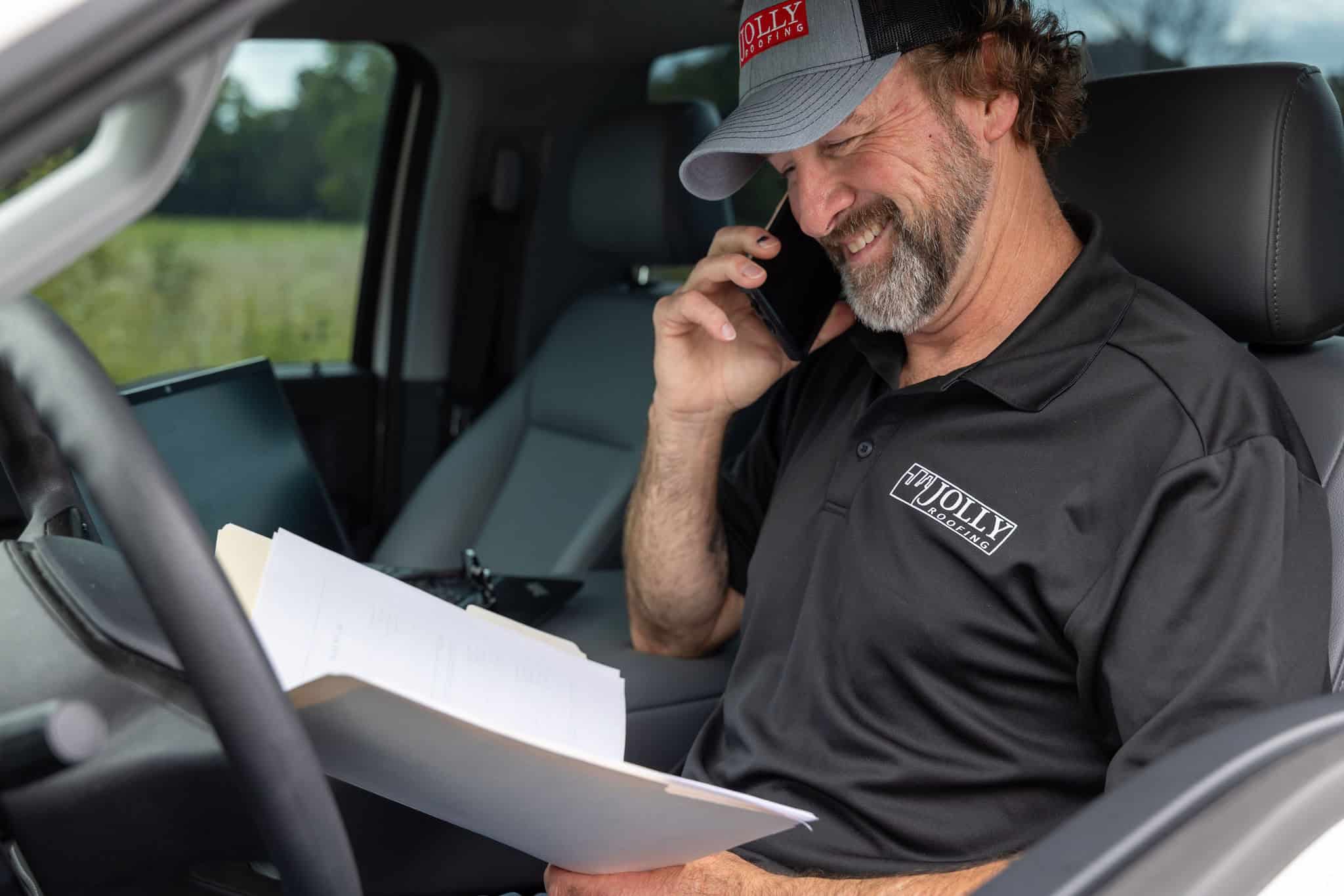
8. Who will be my point of contact?
Communication becomes much easier when you know who owns the relationship.
Ask who will handle questions, service updates, scheduling, estimates, and follow-up from the beginning of the work through completion.
9. What documentation will I receive?
Good roofing documentation is valuable long after the service call ends.
Ask whether you will receive before and after photos, inspection findings, repair documentation, recommendations, or other records of the work completed.
Those records can become important when budgeting, evaluating recurring leaks, managing warranties, or changing property ownership.
10. What happens if the leak comes back?
Ask this before you need the answer.
A reliable contractor should be able to explain how it handles recurring problems, follow-up investigations, and repairs that do not resolve the original issue.
11. What happens if the roof is not the source of the leak?
Not every leak starts with the roofing system.
HVAC equipment, plumbing, penetrations, and other parts of the building envelope can sometimes contribute to water intrusion.
Ask whether the roofing contractor will identify concerns involving another trade and explain what it recommends next.
12. Can you show me relevant customer experience?
Ask for testimonials, references, project examples, and information about the types of facilities the contractor supports.
For larger portfolios, you may also want to understand the company’s financial strength, geographic coverage, administrative support, and ability to manage service across multiple locations.
The relationship matters after the contract is signed
A commercial roofing contractor should be more than someone who appears when a roof needs to be replaced.
For facility managers and building owners, the real value often comes from having a reliable point of contact who understands the property, knows its service history, responds when issues arise, and helps plan what comes next.
The roof matters. So does the relationship with the company responsible for maintaining it.
Frequently Asked Questions
Should a commercial roofing contractor use subcontractors?
There is no single model used by every contractor, but building owners should know who will actually perform the work and how those crews are managed. Jolly Roofing self-performs its roofing work.
Should I ask a roofing contractor for proof of insurance?
Yes. Asking for a current certificate of insurance is a standard part of evaluating a commercial roofing contractor.
Why should I ask about manufacturer certifications?
Commercial roof systems have different installation, repair, and warranty requirements. Manufacturer relationships and certifications can help establish whether a contractor is qualified to work with the system on your building.