
Seasonal Commercial Roof Maintenance Checklist for Property Owners
Commercial roof maintenance works best when it is planned, documented, and consistent.
Waiting until water appears inside the building puts the facility team in a reactive position. Regular inspections and preventative maintenance give property owners a better chance to identify smaller problems before they become larger repairs.
Use this checklist throughout the year to keep roof information organized and maintenance needs visible.
1. Schedule annual or biannual roof inspections
At minimum, commercial property teams should have a regular inspection schedule in place.
Annual or biannual inspections give roofing professionals an opportunity to identify developing problems and document changes in roof condition over time.
Timing inspections after harsh weather periods can be especially useful. Depending on the region, that may mean scheduling an inspection after winter weather or after a period of intense summer storms.
Regular inspections may also be important to maintaining manufacturer warranty requirements. Review the warranty for each property so you know what documentation and maintenance are required.

2. Review previous service reports
Before scheduling new work, review what has already happened on the roof.
Repeat leak locations can provide useful clues about what may be causing the current issue.
Look for:
- Previous leak locations
- Areas that have been repaired more than once
- Inspection recommendations that have not been completed
- Upcoming maintenance needs
- Changes in annual repair costs
The more history your roofing contractor has, the easier it can be to understand recurring problems.
3. Pay attention to areas where other contractors have worked
Roofing contractors are not the only people who access commercial roofs.
HVAC technicians, electricians, signage contractors, and other trades may work around roofing membranes, penetrations, curbs, and equipment.
After another trade completes rooftop work, check the surrounding roofing system for accidental damage or changes.
This can help catch problems before the next heavy rain reveals them.
4. Keep an eye on roof penetrations
Roof penetrations are common areas for leaks and maintenance needs.
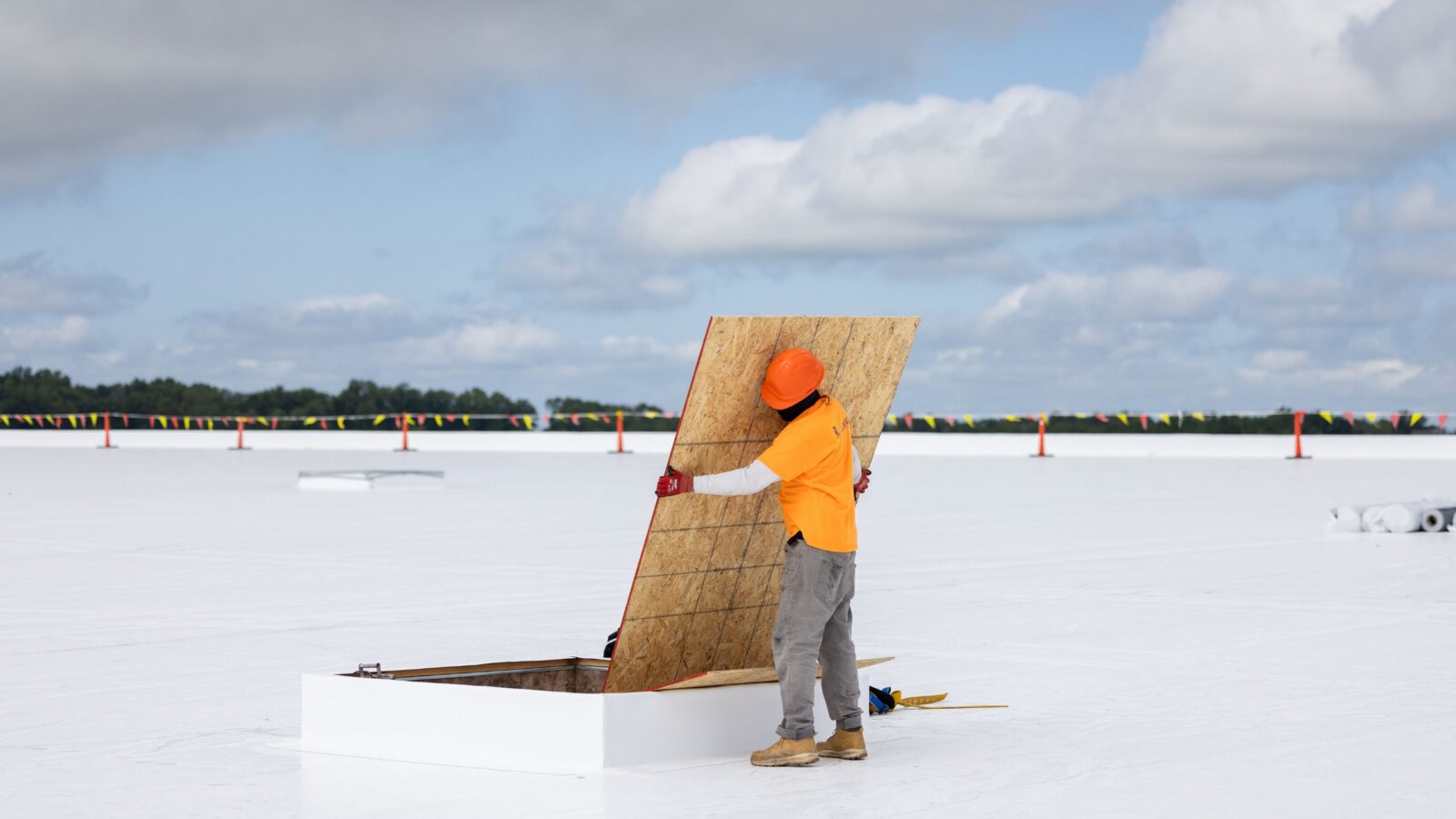
Pipes, curbs, hatches, equipment, and other penetrations create transitions within the roofing system that should be evaluated during routine inspections.
Many problems in these areas can be addressed with targeted repairs when they are identified early.
5. Report leaks when they happen
Do not wait for a minor leak to become a major interior problem.
When water appears, report it and document exactly where it first showed up.
Keep the service record afterward. If the same area leaks again, the previous documentation can help the roofing team investigate more efficiently.
6. Build roof maintenance into the budget
Preventative maintenance is easier when roofing needs are part of the facility budget instead of unexpected expenses.
A professional inspection can help property teams understand which repairs need immediate attention and which items can be planned for later.
Through Jolly Roofing’s Roof Secure program, customers can receive repair recommendations organized by urgency along with budget information to help plan future roof work.
7. Know when targeted repairs make sense
Not every roofing problem requires a complete replacement.
In some cases, replacing a portion of membrane or completing a larger targeted repair can extend the serviceable life of the roof while limiting disruption to the facility.
The decision should be based on the condition of the existing system, maintenance history, recurring problems, and the expected return on the repair.
8. Keep roof documents in one place
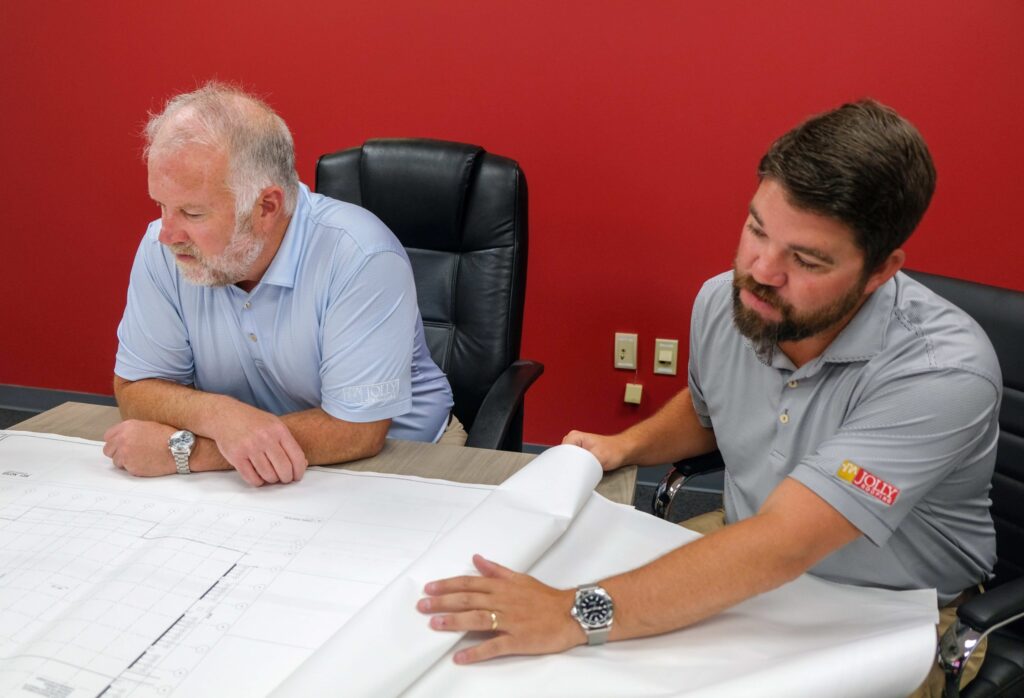
Roof plans, warranty information, inspection reports, repair history, photos, and service records should be easy to find.
This becomes even more important when managing multiple properties.
A centralized record helps facility teams understand what has happened at each location and gives roofing professionals useful history when a new problem occurs.
Roof Secure is designed to give customers one point of contact across multiple locations, with access to information such as service history and estimated arrival times.
9. Look at the roof as a long-term asset
The goal of preventative maintenance is not simply to avoid the next leak.
It is to understand the condition of the roof, extend its serviceable life when possible, and make better decisions about repairs and future replacement.
A consistent maintenance plan gives property owners better information for budgeting and helps prevent roofing decisions from becoming emergency decisions.
A simple maintenance rhythm
For most commercial property teams, the process does not need to be complicated:
- Inspect the roof regularly.
- Document what is found.
- Complete priority repairs.
- Track recurring issues.
- Review the maintenance budget.
- Keep records organized.
- Reassess the roof condition over time.
The more consistent the process becomes, the easier it is to manage commercial roofing as part of normal facility operations instead of waiting for the next emergency.
Frequently Asked Questions
How often should a commercial roof receive preventative maintenance?
Annual or biannual inspections are commonly recommended. The appropriate schedule depends on the roof system, warranty requirements, local weather, and building conditions.
When is the best time to inspect a commercial roof?
Inspections are often useful after periods of harsh weather, such as winter conditions or severe summer storms. Properties in storm-prone regions may also benefit from an inspection before hurricane or severe weather season.
What roof records should property owners keep?
Keep warranty documents, roof plans, inspection reports, repair history, service photos, invoices, and records of recurring leak locations together.
Can a damaged section of roof be repaired instead of replacing everything?
Sometimes. Targeted membrane replacement or other localized repairs may extend roof life and reduce facility disruption when the surrounding roofing system remains serviceable.