
Your commercial roof is easy to overlook when everything is working as it should. But exposure to weather, foot traffic, aging materials, drainage issues, and everyday wear can create problems that aren’t always visible from inside the building.
A professional roof inspection gives building owners and facility teams a clearer picture of the condition of their roofing system, helping identify potential concerns before they develop into larger and more expensive problems.
So, what actually happens during a commercial roof inspection?

It Starts with Understanding the Roof
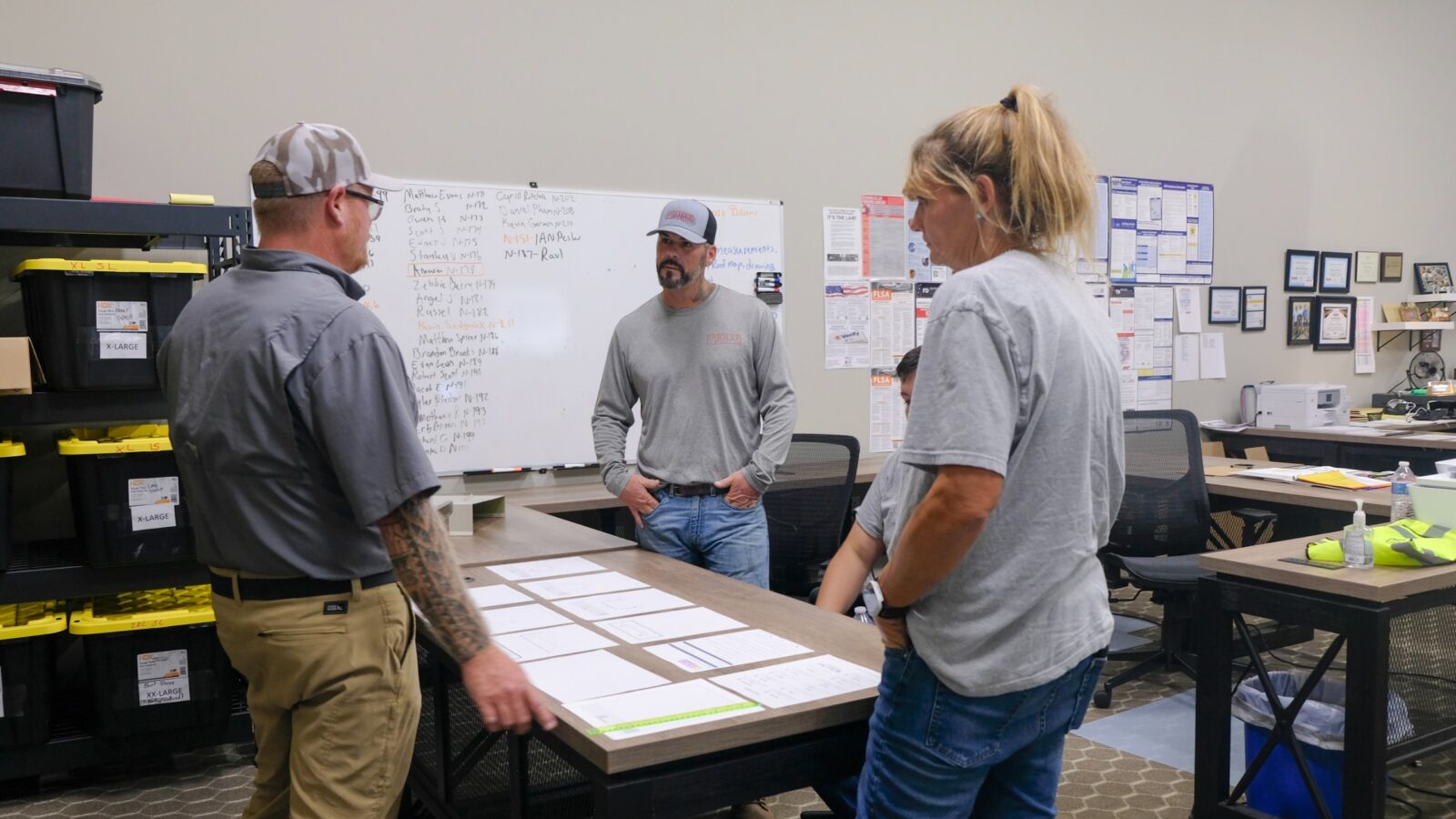
Before stepping onto the roof, a roofing professional may gather information about the building and existing roofing system. That can include the age and type of roof, previous repairs, known leaks, warranty information, recent weather events, and any concerns the building owner or facility team has noticed.
This background provides valuable context for the physical inspection and can help identify areas that deserve additional attention.
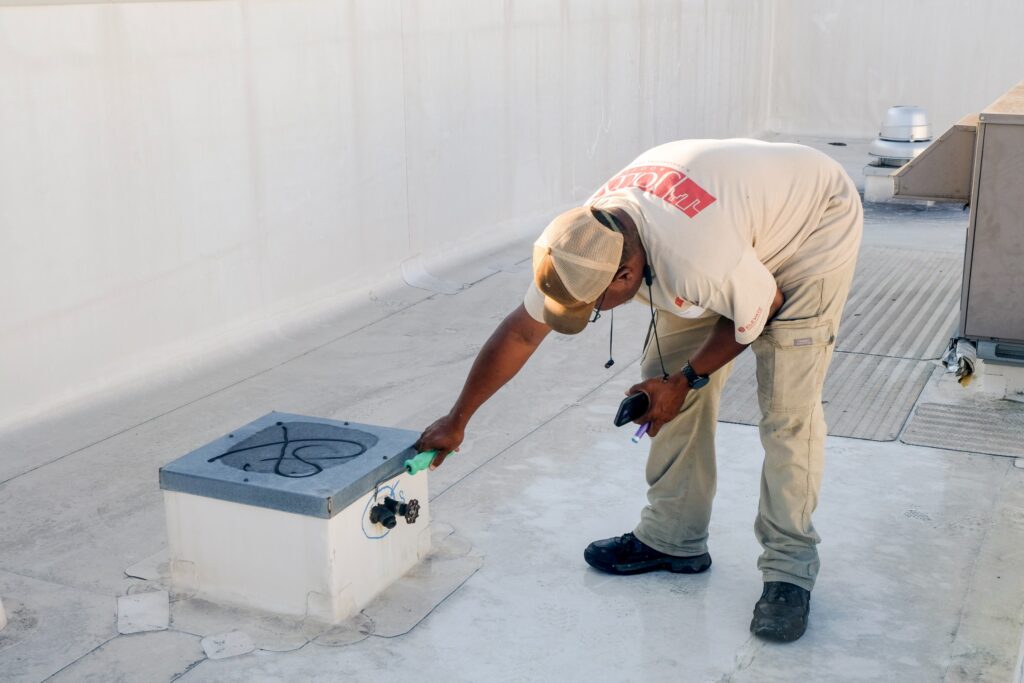
Inspecting the Roofing System
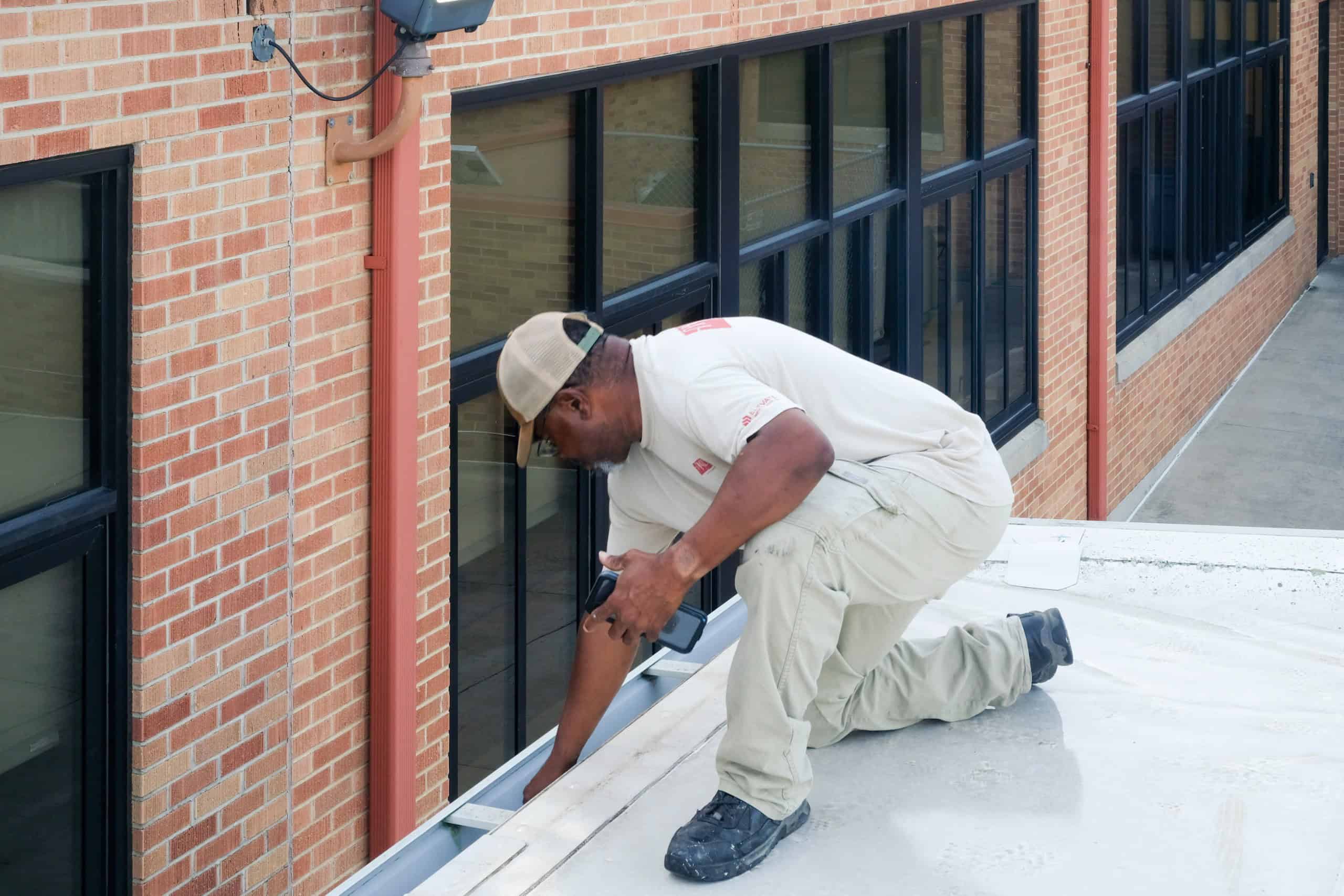
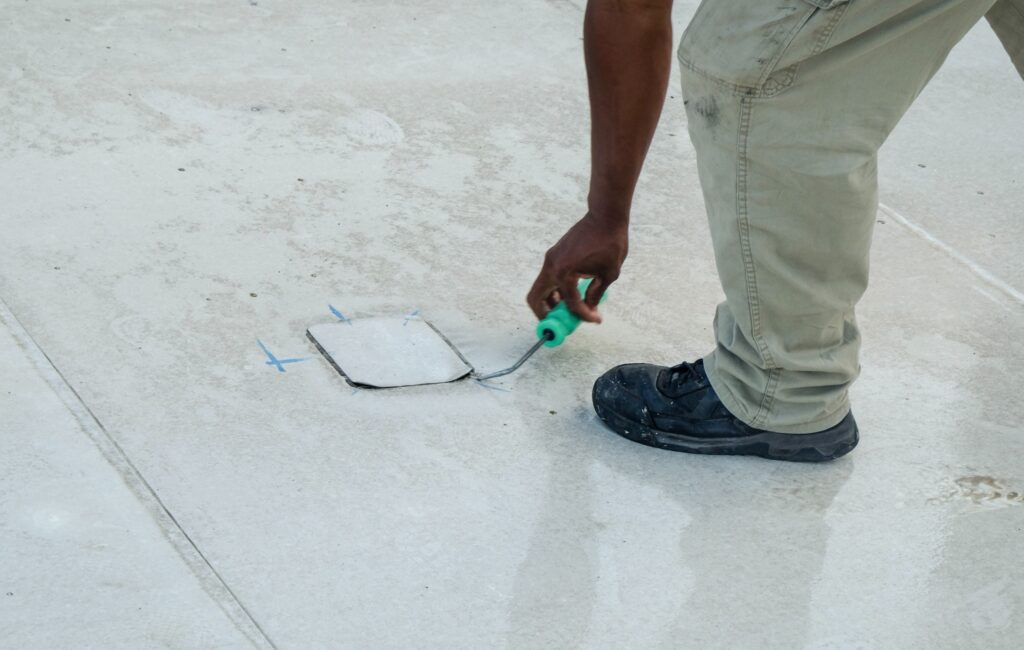
Once on the roof, the inspection moves beyond simply looking for obvious leaks or visible damage. The goal is to evaluate the overall condition of the roofing system and identify signs of deterioration, damage, or potential failure.
Depending on the roof system and building, an inspection may include reviewing:
- Roofing membrane or surface condition
- Seams, fasteners, and attachment points
- Flashings and penetrations
- Roof edges and perimeter conditions
- Drains, gutters, and other drainage components
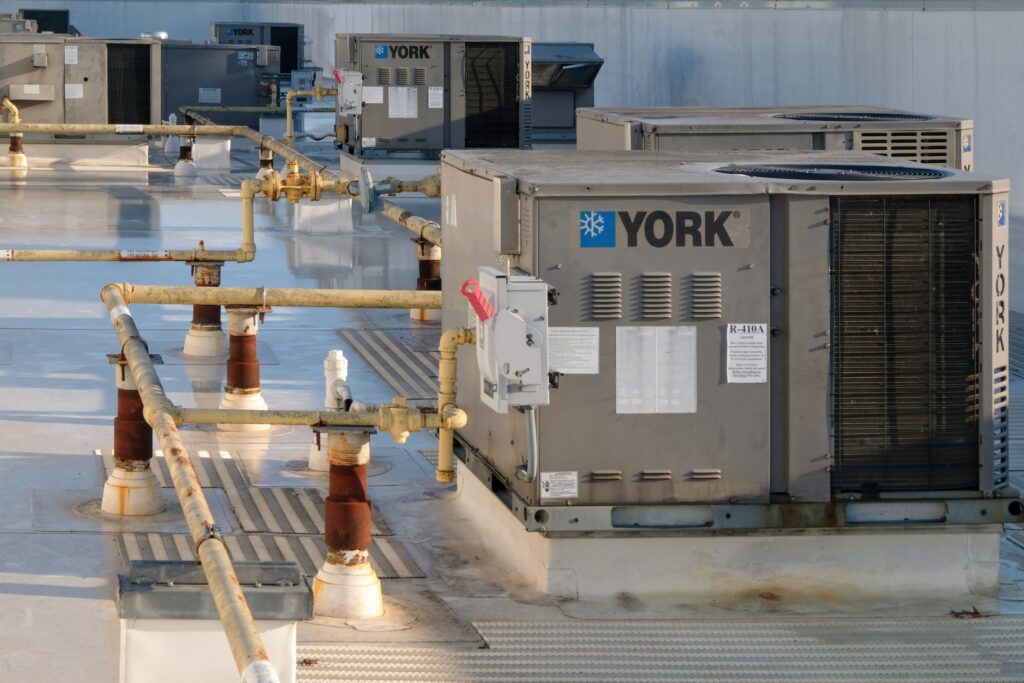
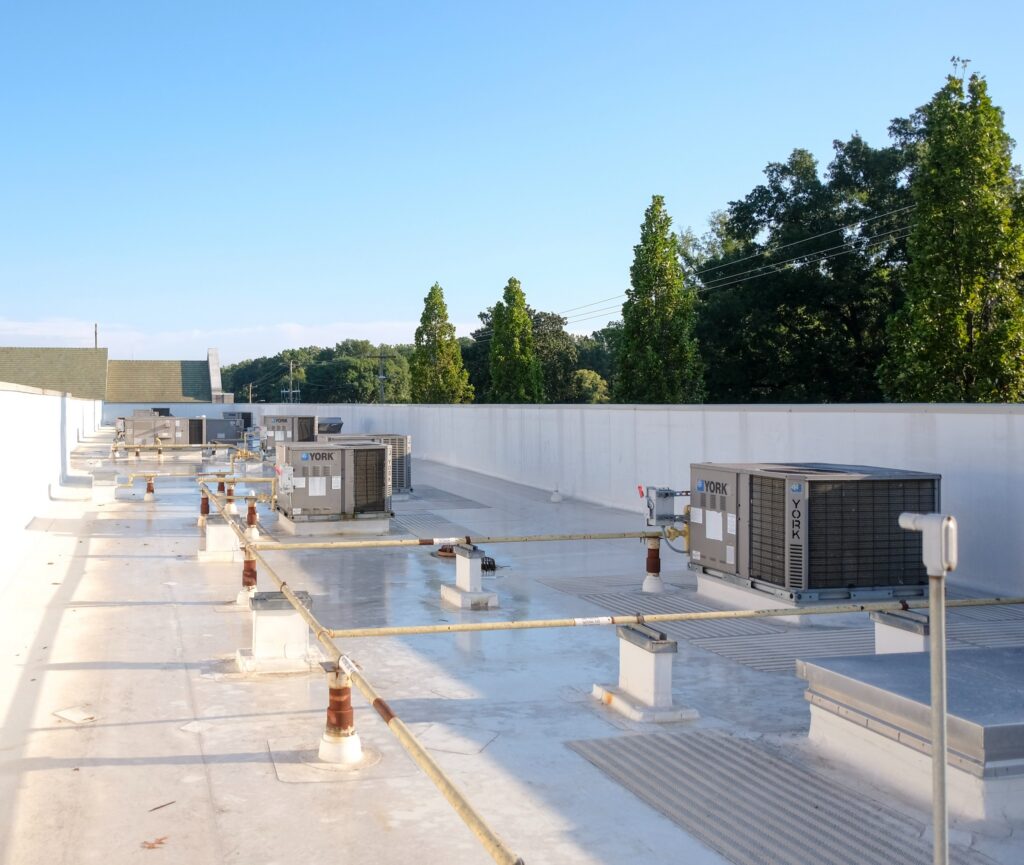
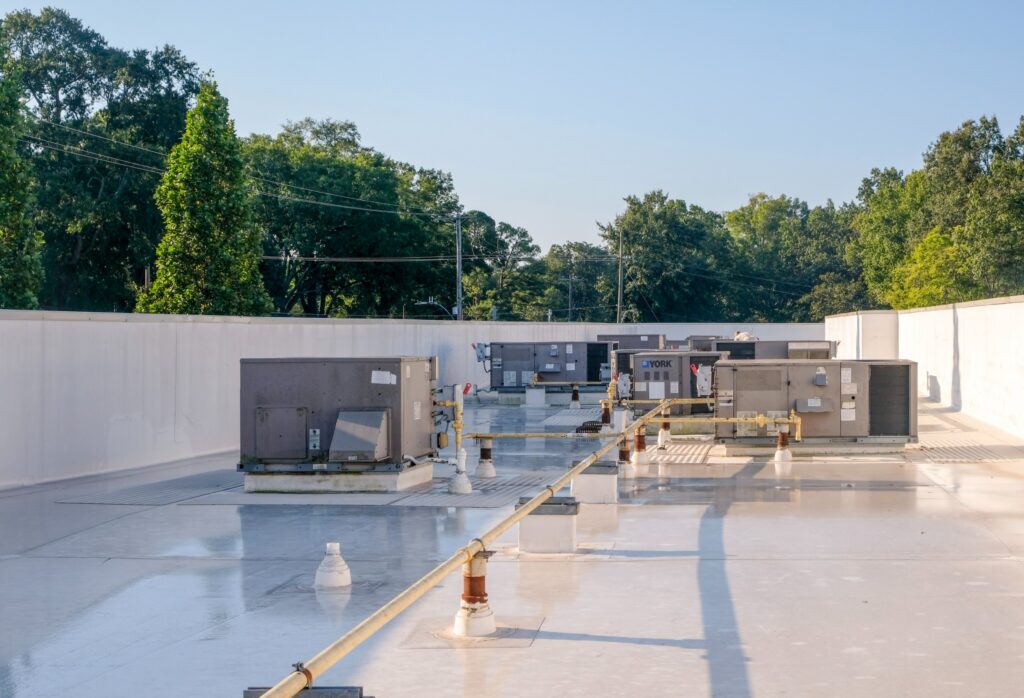
- Rooftop equipment and surrounding roofing materials
- Previous repairs and patches
- Areas of ponding or standing water
- Visible signs of moisture intrusion or deterioration
Photos and documentation may also be collected to provide a clear record of existing conditions.
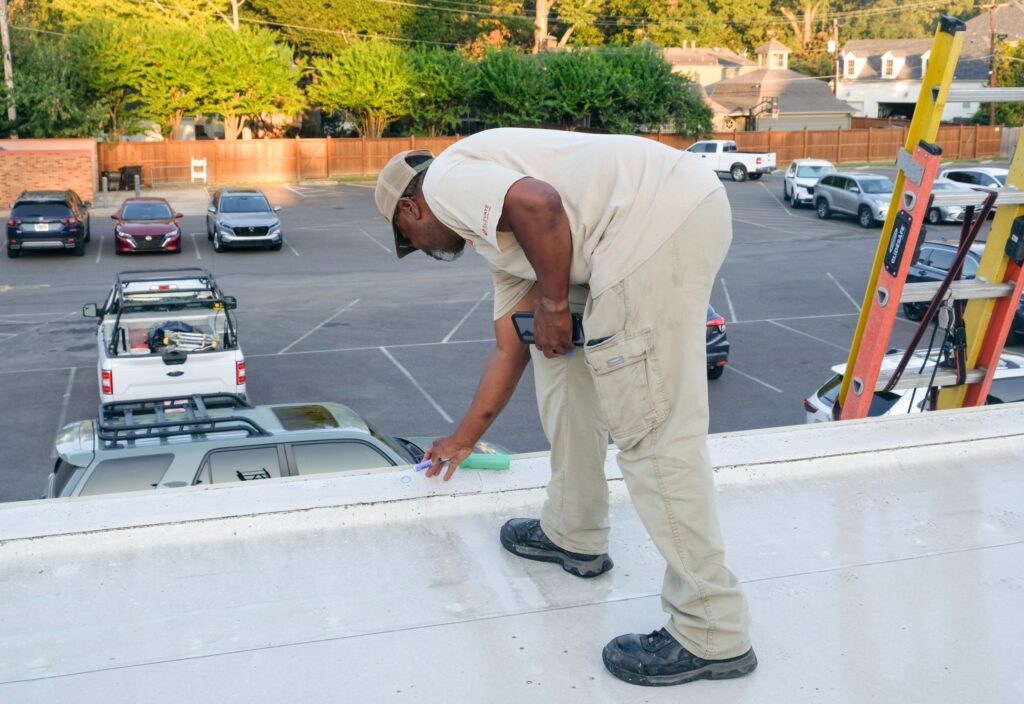
Identifying Problems Early
One of the biggest benefits of a roof inspection is finding smaller issues before they become larger ones.
A loose flashing, damaged membrane, clogged drain, or deteriorating seal may not immediately result in water entering the building. Left unaddressed, however, relatively minor conditions can contribute to leaks, damaged insulation, structural concerns, or disruption inside the facility. Wet insulation can lose R-value, reducing its thermal performance.
Regular inspections give building owners an opportunity to address those issues proactively.
What Happens After the Inspection?
Once the inspection is complete, the findings should help answer an important question: What does this roof actually need?
Not every issue requires a major repair, and not every aging roof needs to be replaced immediately. Depending on the condition of the system, recommendations may range from routine maintenance and targeted repairs to restoration or eventual replacement planning.
A useful inspection should help prioritize those recommendations so building owners can understand what needs immediate attention, what should be monitored, and what can be planned for in the future.
How Often Should a Commercial Roof Be Inspected?
There isn’t one inspection schedule that applies to every commercial roof. Roof age, system type, building use, environmental conditions, warranty requirements, and previous damage can all influence how frequently a roof should be evaluated.
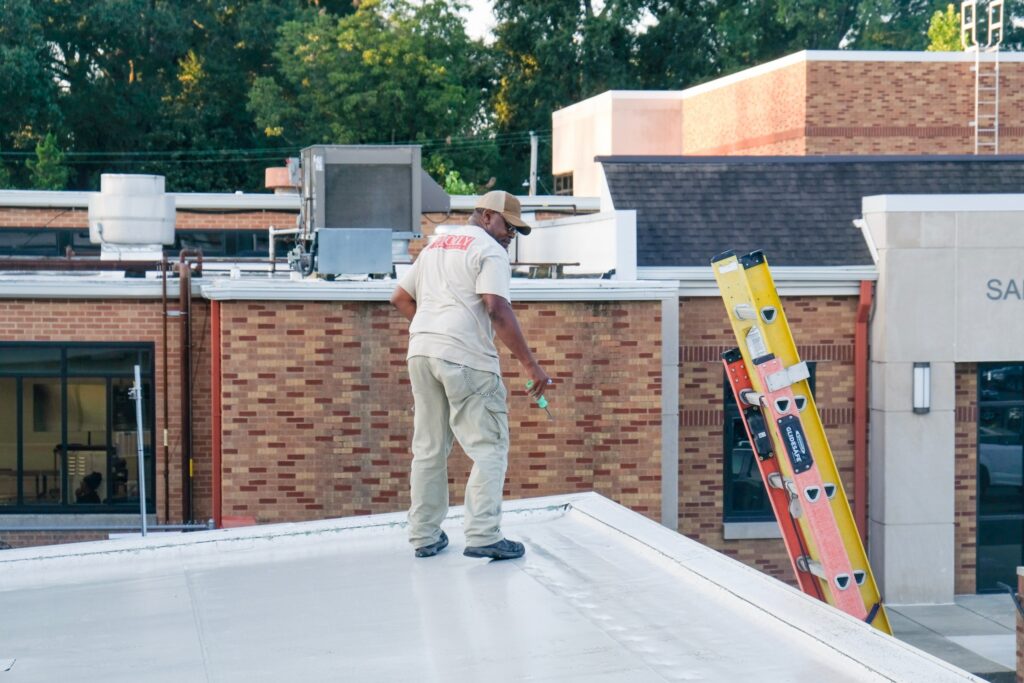
Commercial roof inspections are generally recommended annually and are required by many roofing manufacturers.
Inspections can also be valuable following severe weather or whenever a building begins showing signs of a potential roofing issue.
The goal is to understand the condition of the roof before a small problem becomes an emergency.
A Proactive Approach to Commercial Roofing
At Jolly Roofing, we believe effective roof management starts with understanding what’s happening on the roof.
Our team works with commercial building owners and facility professionals to evaluate roofing systems, identify areas of concern, and develop practical recommendations based on the condition of the roof.
Whether you’re responding to a specific problem or taking a more proactive approach to maintaining your facility, a professional inspection can provide the information you need to make a more informed decision.
Have questions about the condition of your commercial roof? Contact Jolly Roofing to schedule an inspection or talk with our team about your roofing needs.